
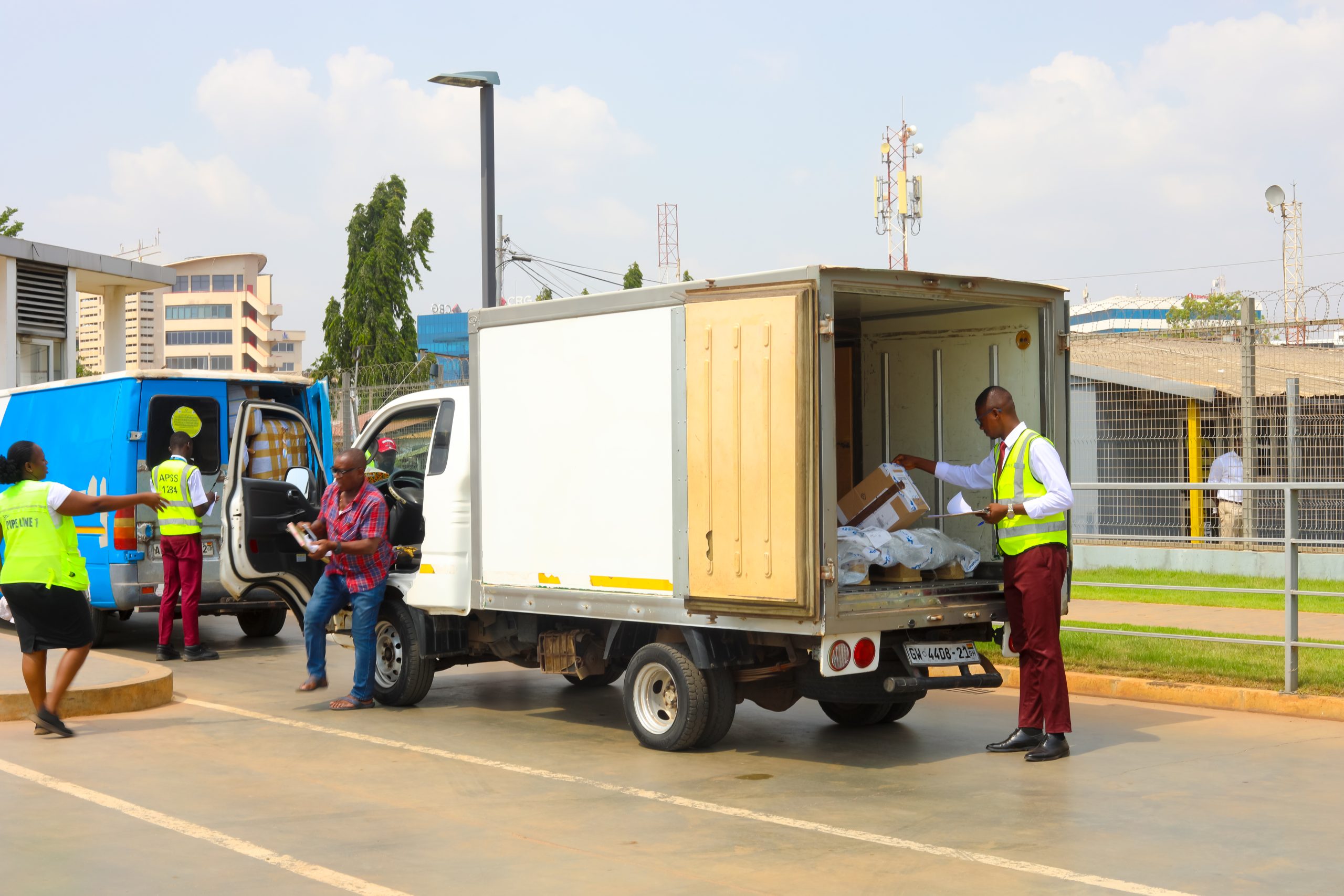
Passenger and cargo profiling
Passenger profiling :
- Behavioral analysis:
Security personnel observe and interview passengers for behavioral indicators like nervousness, inconsistent answers, excessive sweating, or avoiding eye contact.
- Data analysis:
Automated systems analyze data such as ticketing information (including last-minute bookings or payment methods), travel history, and past interactions to identify suspicious patterns.
- Intelligence and records:
This includes reviewing criminal records and intelligence reports that link a passenger to suspicious individuals or organizations.
- Goal:To identify high-risk passengers for further scrutiny, allowing low-risk passengers to proceed with expedited screening, thus improving efficiency.
We focus on analyzing various data points to identify potential risks, using behavioral analysis, travel history, and ticket information to assess individual threats rather than relying on stereotypes.
Cargo profiling
- Data-driven analysis:Advanced algorithms analyze various data points related to cargo to assess risk.
- Documentation and origin:This includes examining travel patterns, the origin of the shipment, and other relevant data to identify anomalies.
- Risk assessment:The goal is to identify high-risk cargo shipments that may contain dangerous goods or be used for illicit purposes, without relying on crude stereotyping.This examines data to assess the risk associated with shipments. This allows for more efficient screening by expediting lower-risk individuals and subjecting higher-risk individuals and items to more intensive inspection.